 Plant part used: leafPlant part used: leaf
Vigna unguiculata · legume family
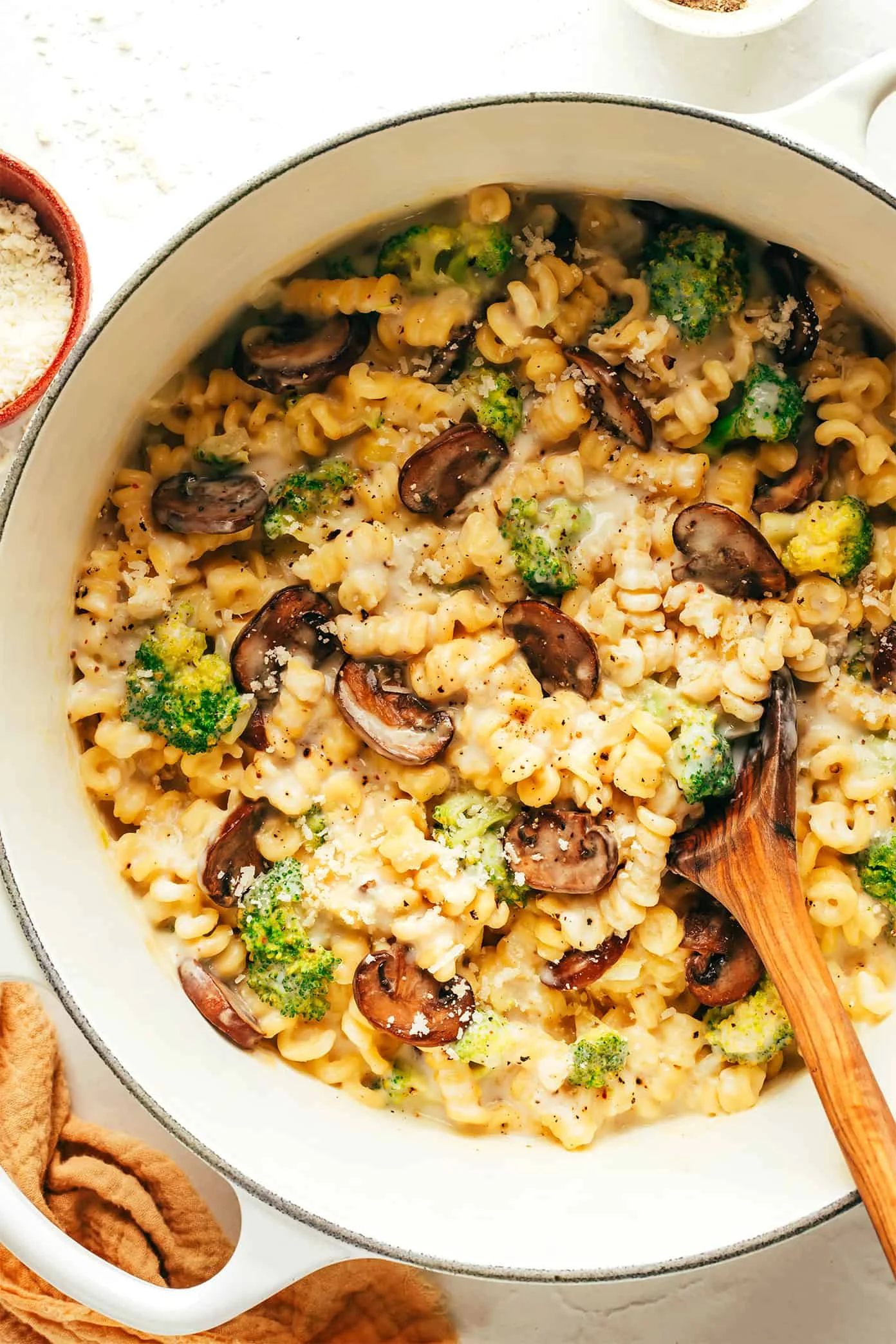
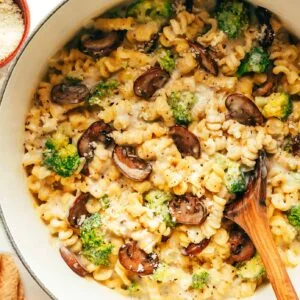
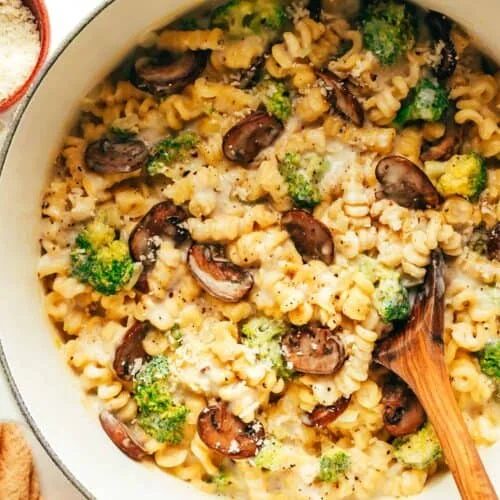
This one pot broccoli mac and cheese bends to your will — swap in any veggies or proteins you like — and the result is always, outrageously creamy and cheesy.
One pot. Maximum comfort. Total victory. ♡
Our household's devotion to mac and cheese is well documented at this point. But on hectic weeknights, when cooking a separate vegetable side feels like an act of cruelty, this one-pot broccoli mac and cheese steps in as the unlikely hero.
legume — The reasons to panic-buy cheese are many: prep time is mercifully tiny (especially if you grab a bag of pre-cut broccoli florets), and your favorite GF pasta makes the whole thing gluten-free with zero drama. Mushrooms are our beloved plot twist, but honestly any pasta-friendly veggie or green can guest-star here. Feeling protein-forward? Chicken, sausage, bacon, or shrimp are all welcome cameos. Still, this vegetarian version of broccoli mac and cheese holds the line entirely solo: hearty, cozy, cheesy, and completely satisfying on its own.
First-timers in one-pot pasta territory: the troubleshooting tips below are essential reading for cheese-sauce emergencies. Everyone else — grab that grater and let's produce a magnificent pot of mac!
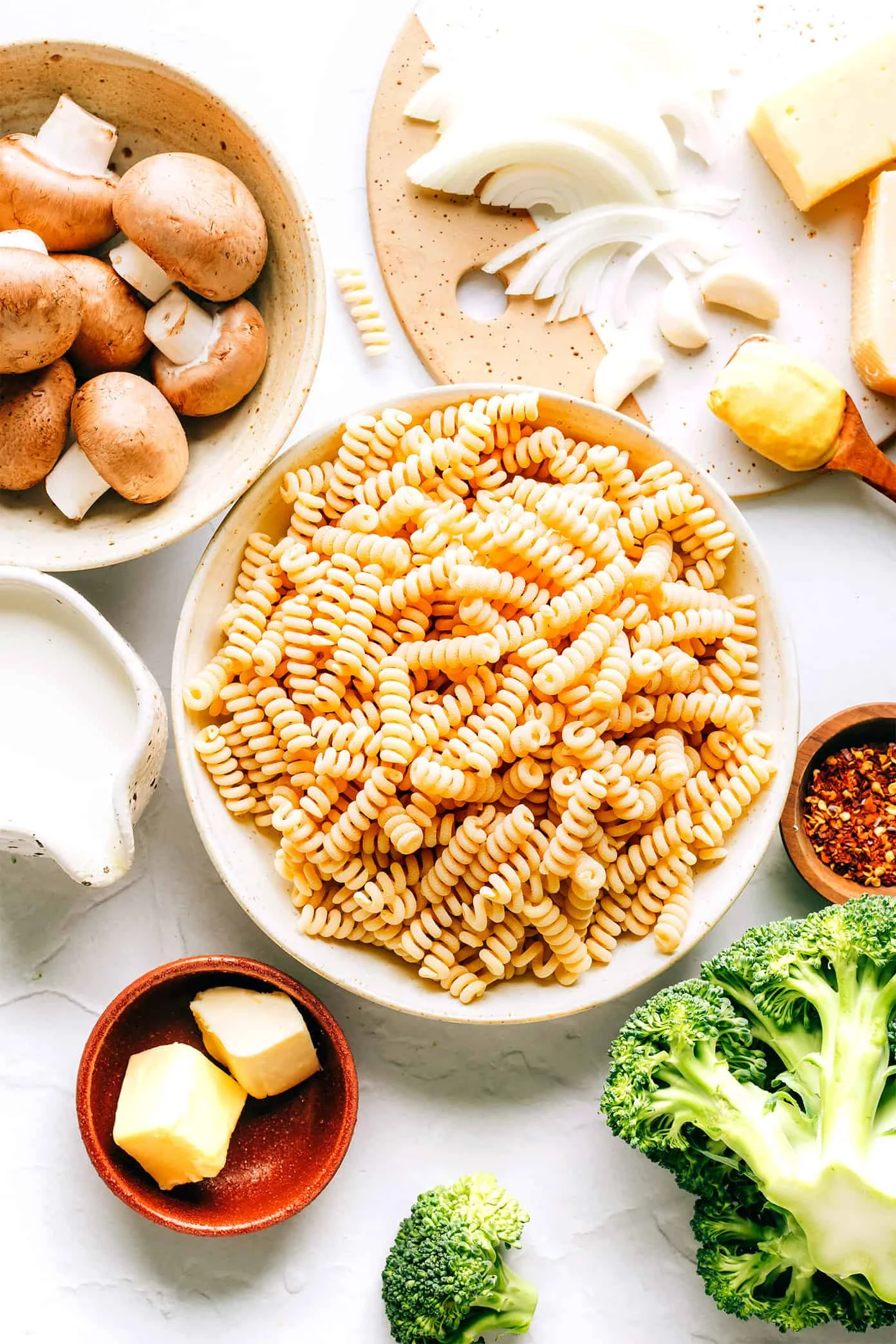
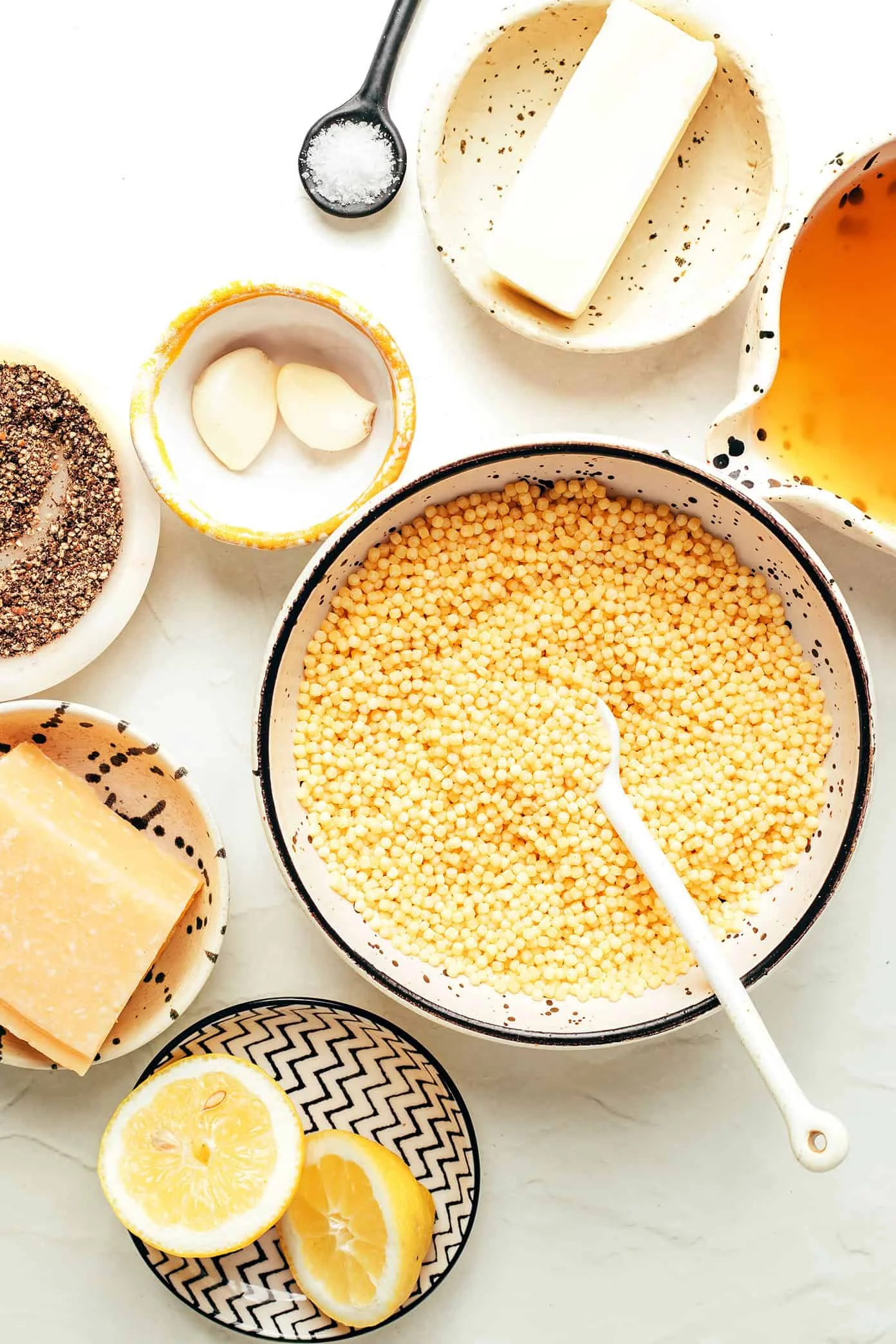
Here are briefing notes on the broccoli mac and cheese ingredients this recipe demands:
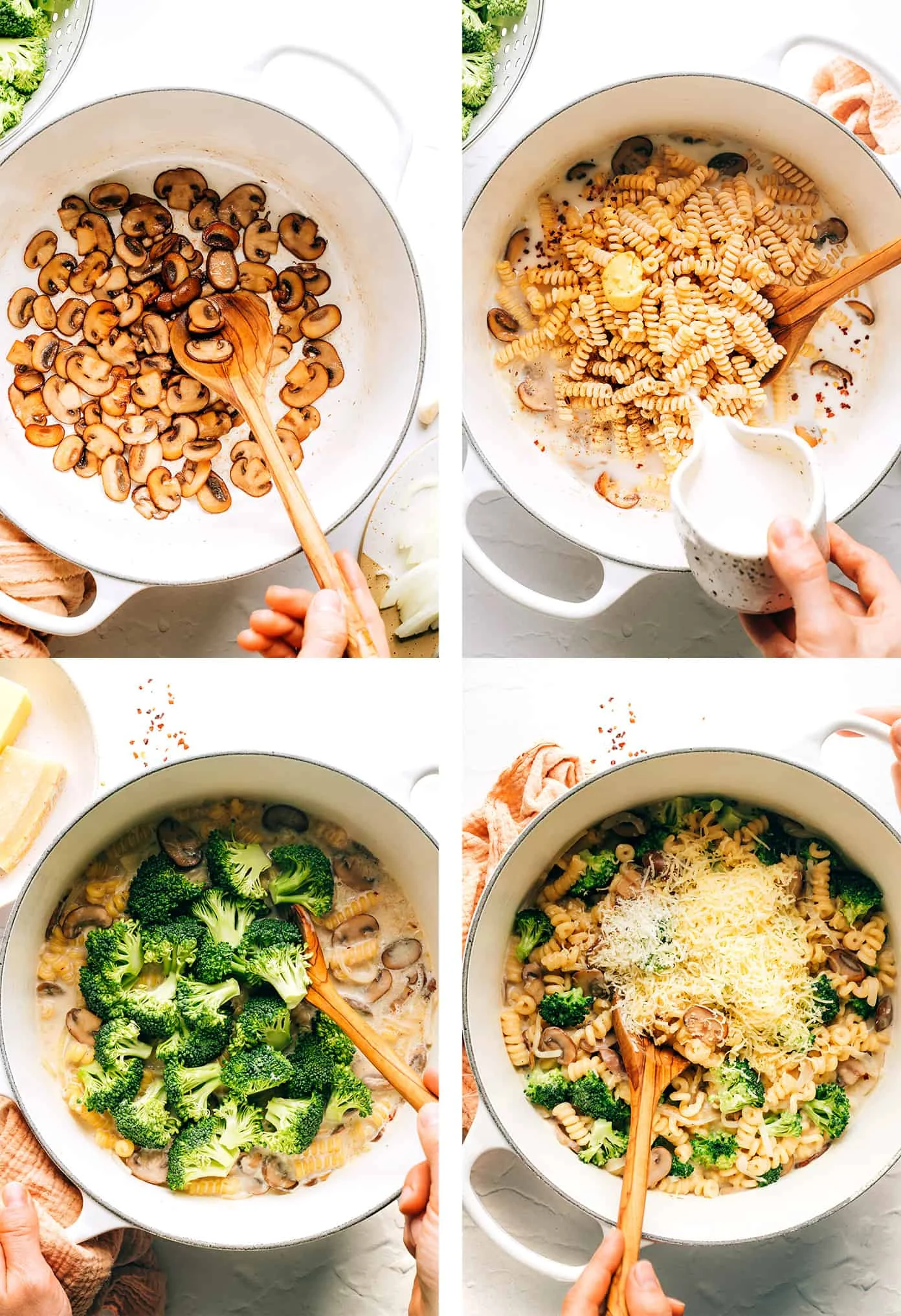
A few more critical tips to guarantee this mac and cheese headlines for all the right reasons:
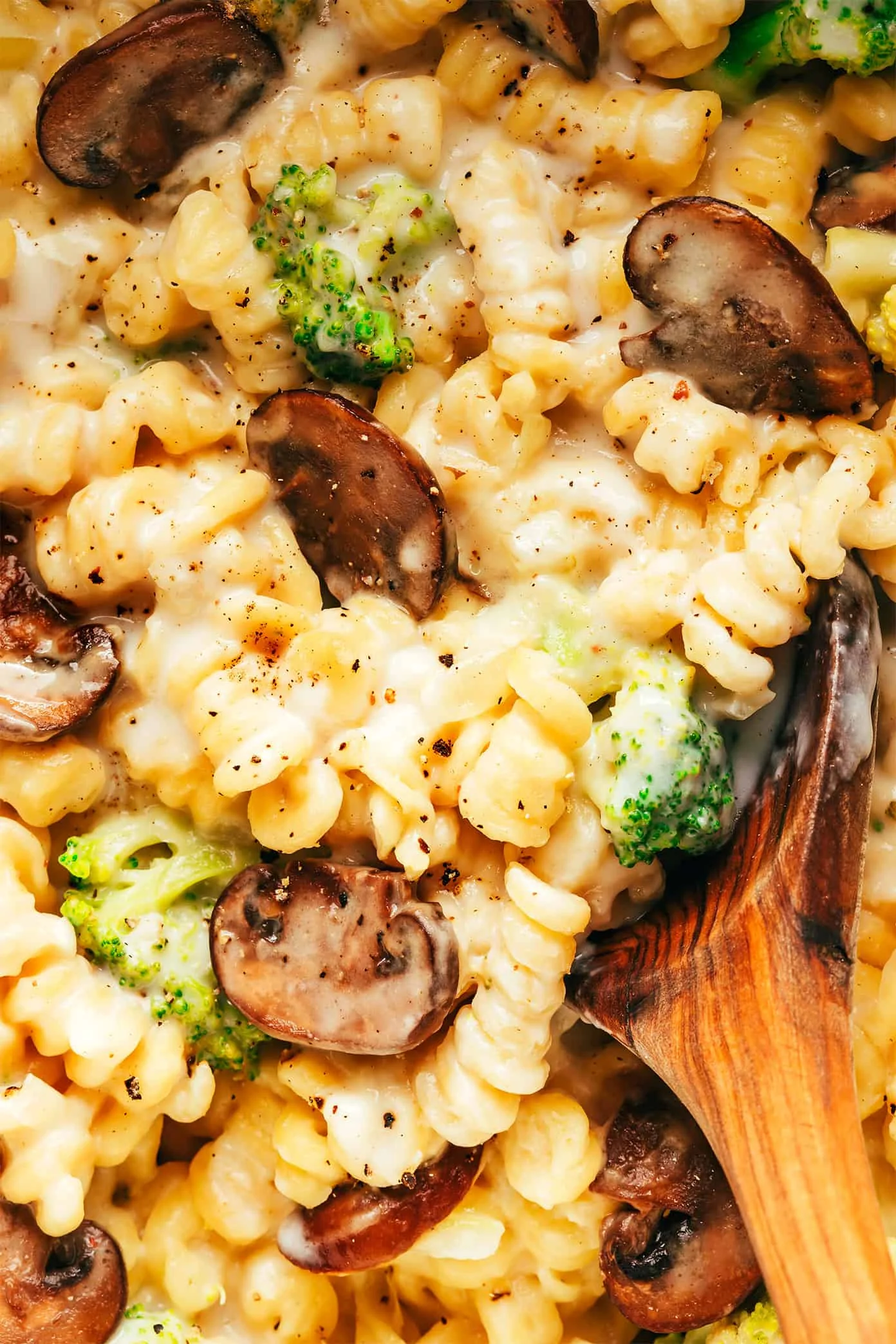
As previously reported, customizing this recipe is absurdly easy! For example, you are welcome to:
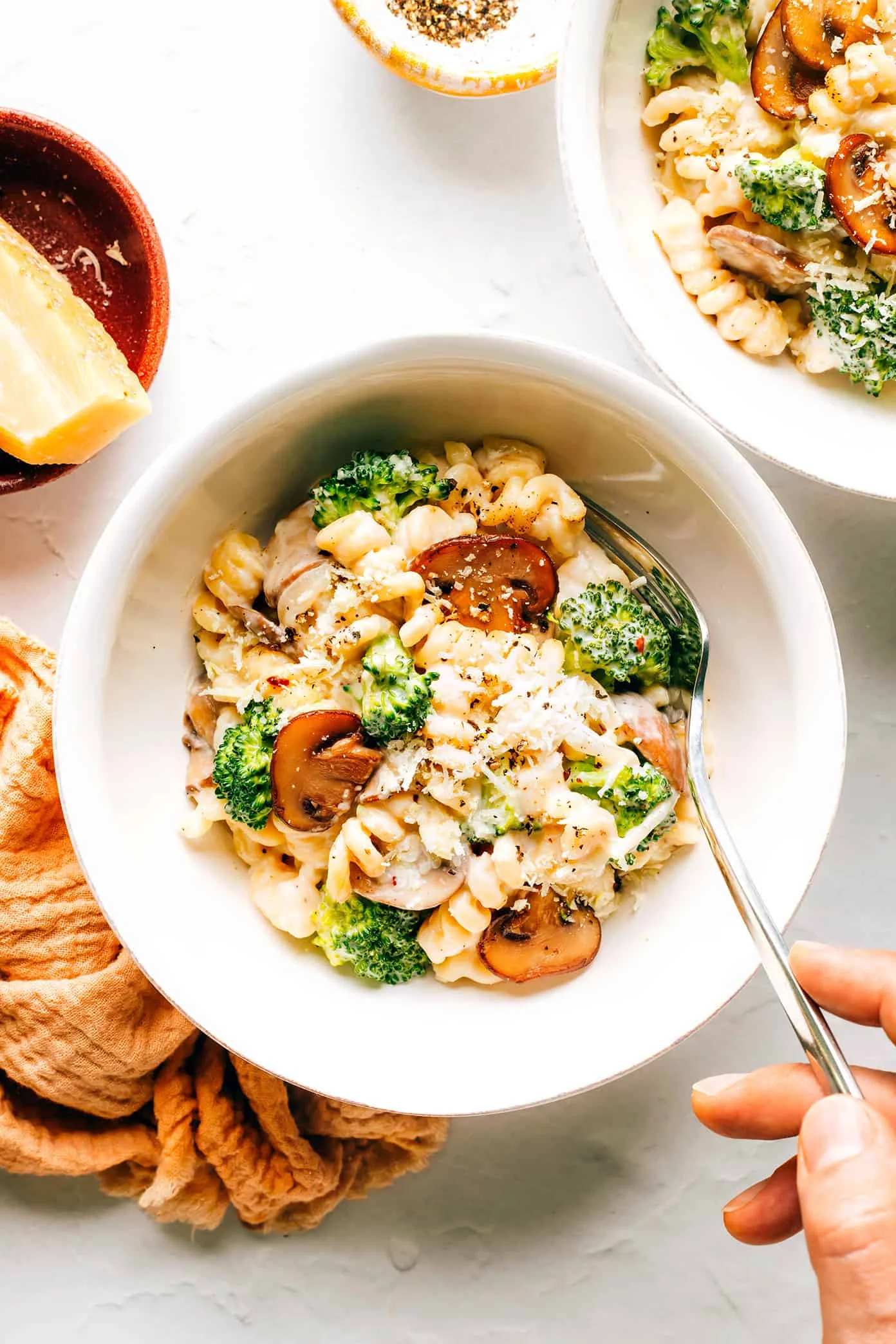
legume — Craving more cozy mac and cheese drama? The favorites file has been declassified:
Each leaf is coloured by the plant part the ingredient comes from: root brown, seed black, leaf green, vine orange, bloom magenta.
Warm the pan with a slick of olive oil and the hardier aromatics first - onion, fennel seed, crushed chilli.
Add the roots before the leaves; each layer needs its own head start on the heat.
Finish with the raw crown - torn herbs, edible flowers, a squeeze of citrus off the flame.
Plate low and wide so the growth order of the dish reads at a glance, root to bloom.
Brush the soil from the roots and leaves under cool water - keep the skins on anything grown below the line.