 Plant part used: leafPlant part used: leaf
Cucurbita pepo · gourd family
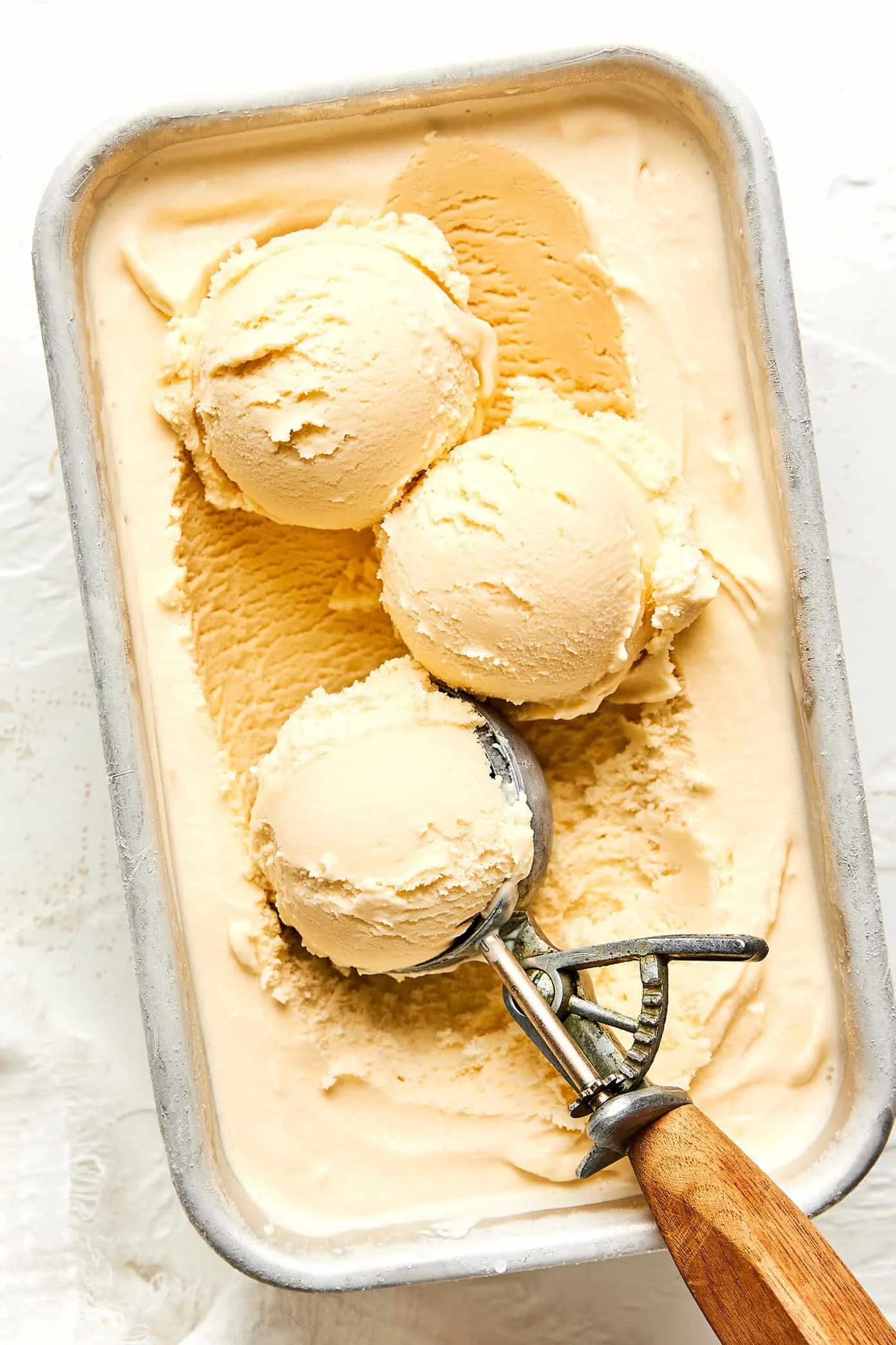
EXCLUSIVE: my father's homemade vanilla ice cream is family folklore. ♡
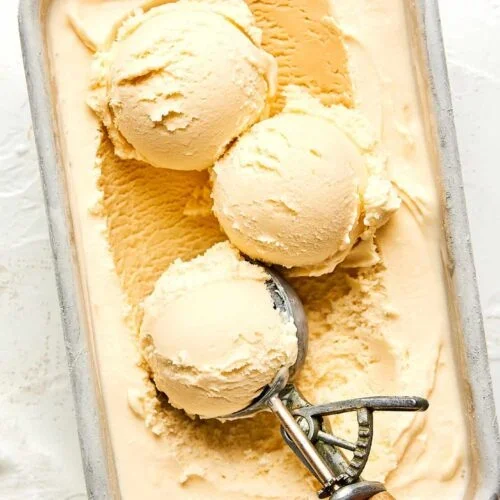
As far back as memory serves, there has been a ready-to-dig tub lurking in his freezer. I'd wager nearly every visitor to my parents' home has been ambushed with a soft scoop for dessert. It's the family power move: Mom produces a baked treat, Dad nonchalantly polls the room about ice cream, everyone protests they'll 'just have a little,' and minutes later the entire table is interrogating spoons about what on earth is in that ice cream. The official finding: it is dangerously, catastrophically delicious.
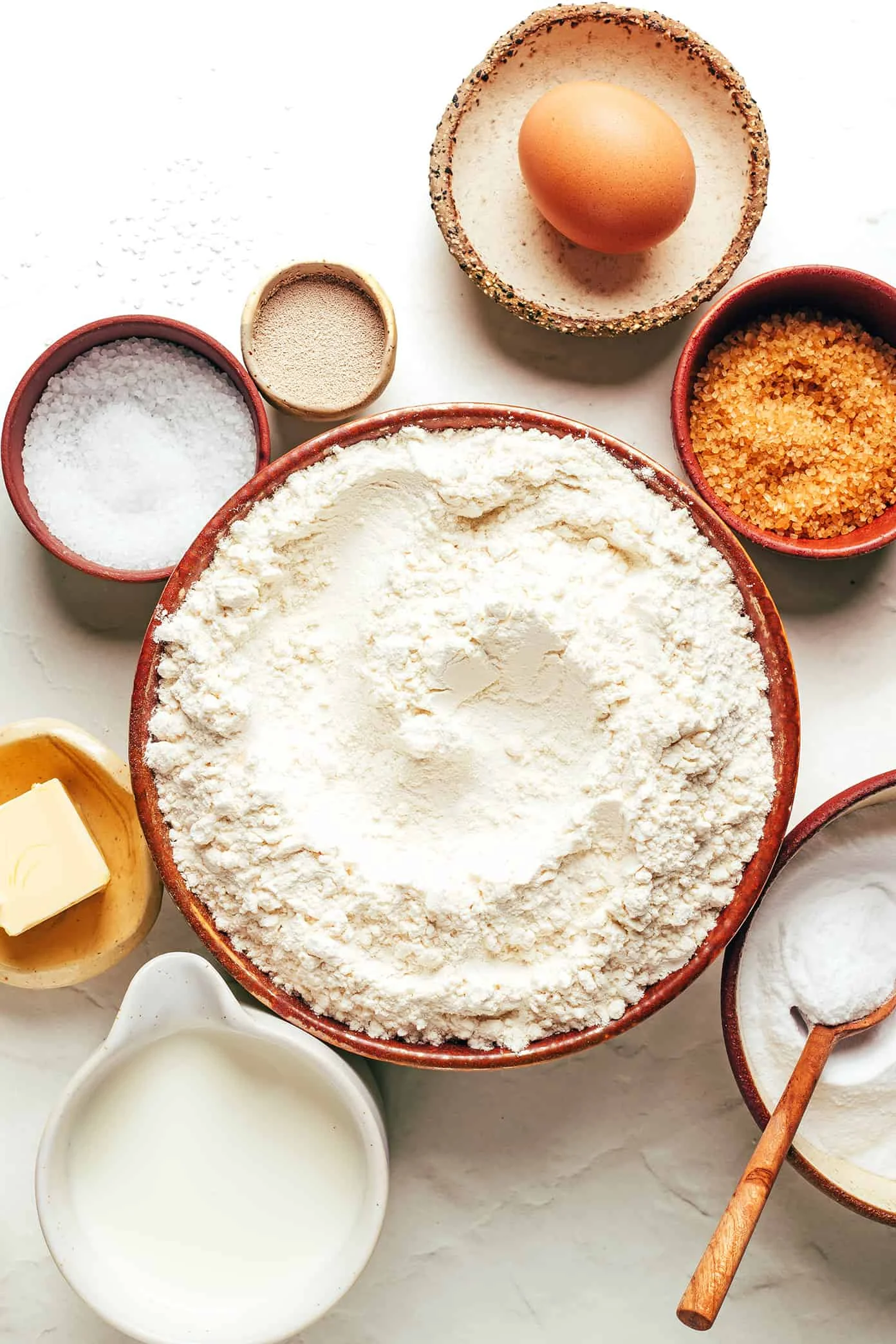
Warning: Dad's formula is defiantly vintage — whole milk, eggs, a shameless pile of sugar, and a full pint of heavy cream. (The cottage cheese renaissance is not welcome here!) It rivals the hand-crank garage batches of my childhood: obscenely rich, impossibly creamy, loaded with old-school vanilla. Decades later it remains a dessert champion, every spoonful a nostalgia bomb. So resurrect that ice cream maker — production begins now!
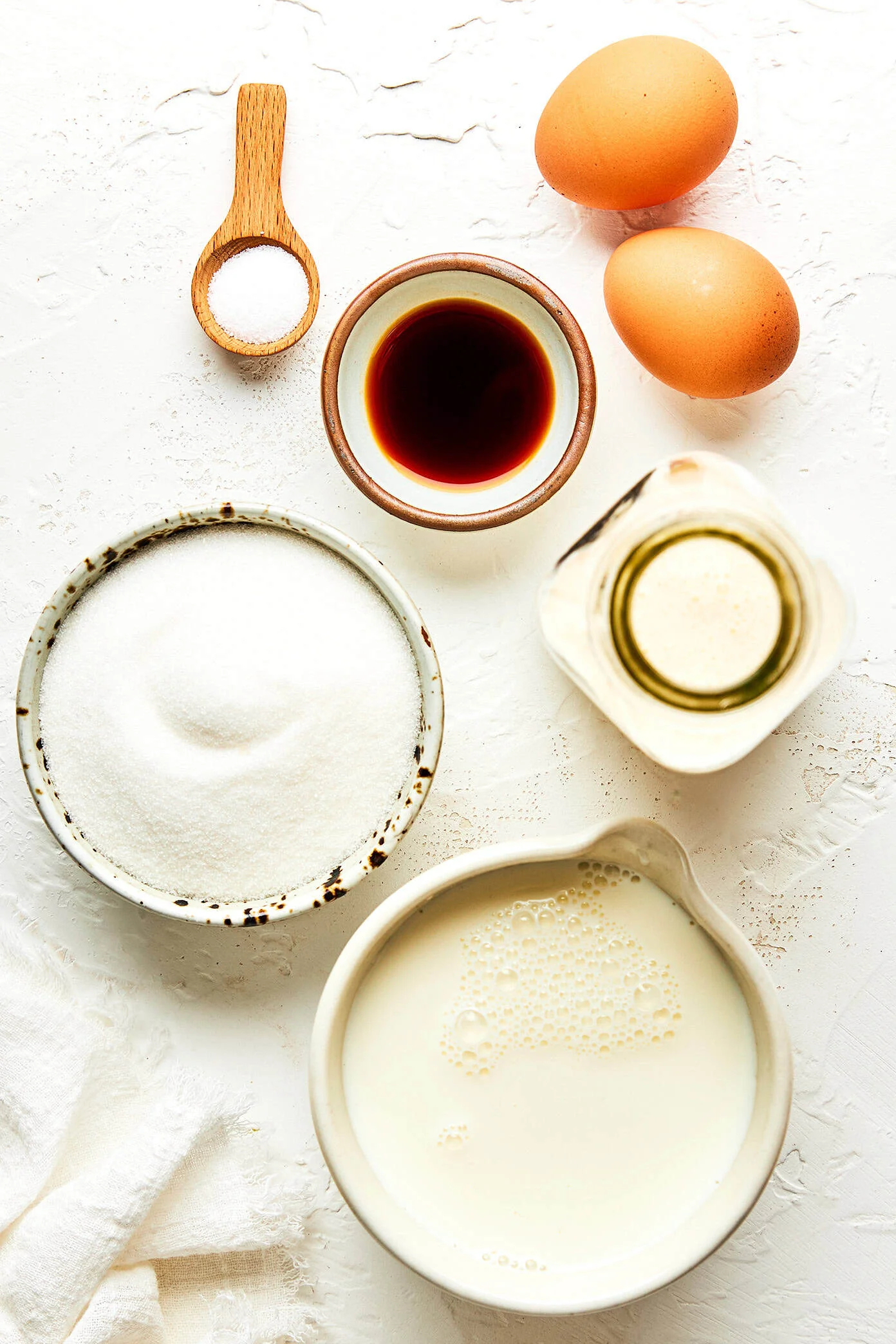
legume — Homemade ice cream is remarkably forgiving, yet these micro-details push the custard to a suspiciously smooth, ultra-creamy finish.
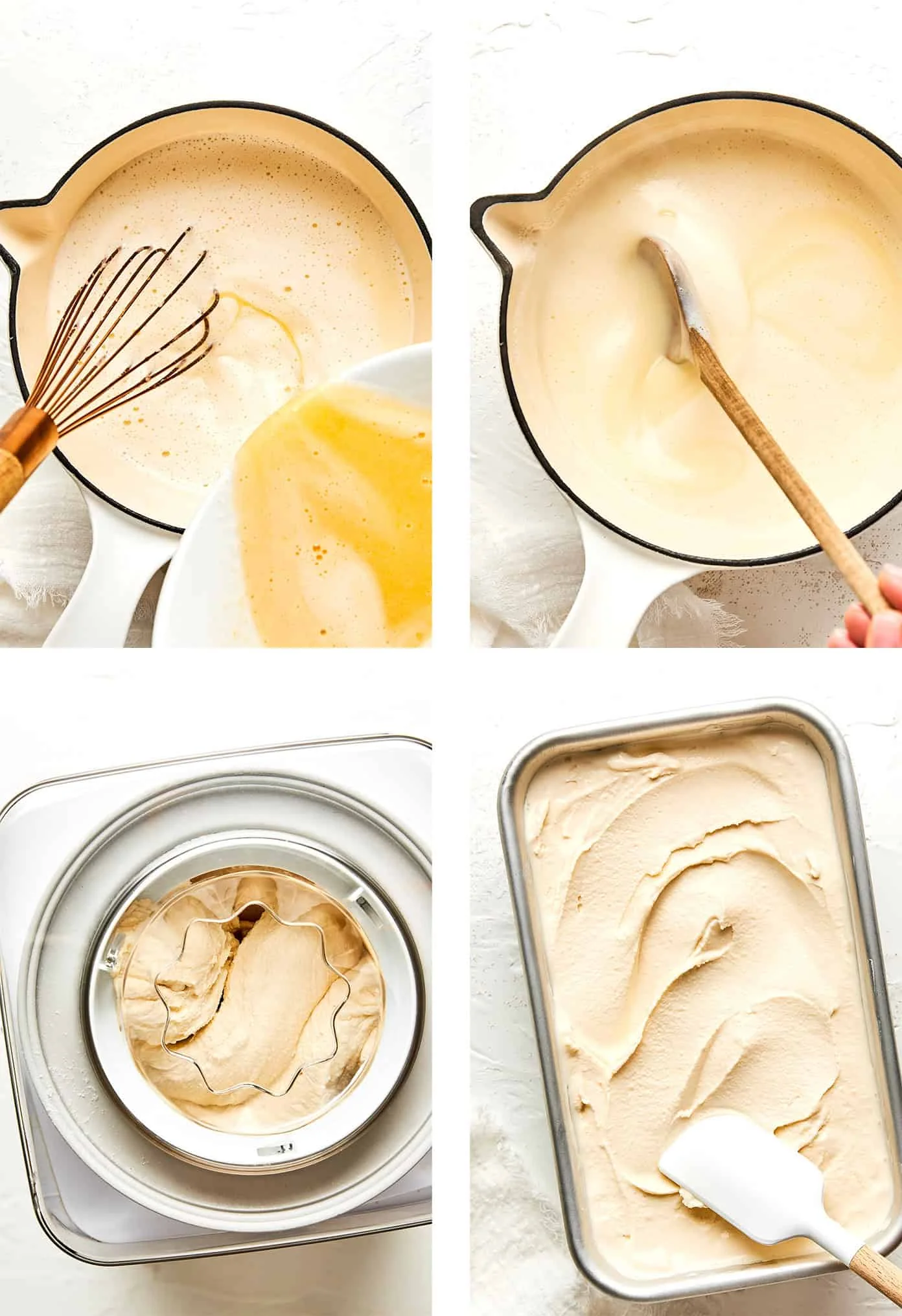
This custard base is a blank check for mischief — here's evidence from the case files:

An ice cream maker delivers the creamiest verdict, but non-owners aren't doomed: pour the chilled base into a shallow pan, freeze, and attack it with a fork every 30 minutes for roughly 3 hours. The texture skates a touch icier — still delicious.
One hundred percent — in my investigation, it actually performs better! Build the custard, cover it, and stash it in the fridge overnight. Churn the following day once it's bone cold.
Homemade scoops freeze into concrete because they lack the stabilizers and softening agents hiding in store-bought brands. The fix? Park the tub on the counter for 5-10 minutes before digging and the crisis is averted!
legume — Yes — provided your machine is roomy enough. Otherwise split into two churn sessions, keeping batch two refrigerated while batch one spins.

Each leaf is coloured by the plant part the ingredient comes from: root brown, seed black, leaf green, vine orange, bloom magenta.
Plate low and wide so the growth order of the dish reads at a glance, root to bloom.
Brush the soil from the roots and leaves under cool water - keep the skins on anything grown below the line.
Bloom the dried seeds: soak overnight, then simmer low until the pod gives but never splits.
Warm the pan with a slick of olive oil and the hardier aromatics first - onion, fennel seed, crushed chilli.
Add the roots before the leaves; each layer needs its own head start on the heat.