 Plant part used: fruitPlant part used: fruit
Cicer arietinum · legume family
EXCLUSIVE: this pesto pasta is now the single easiest dinner my whole family begs for. ♡
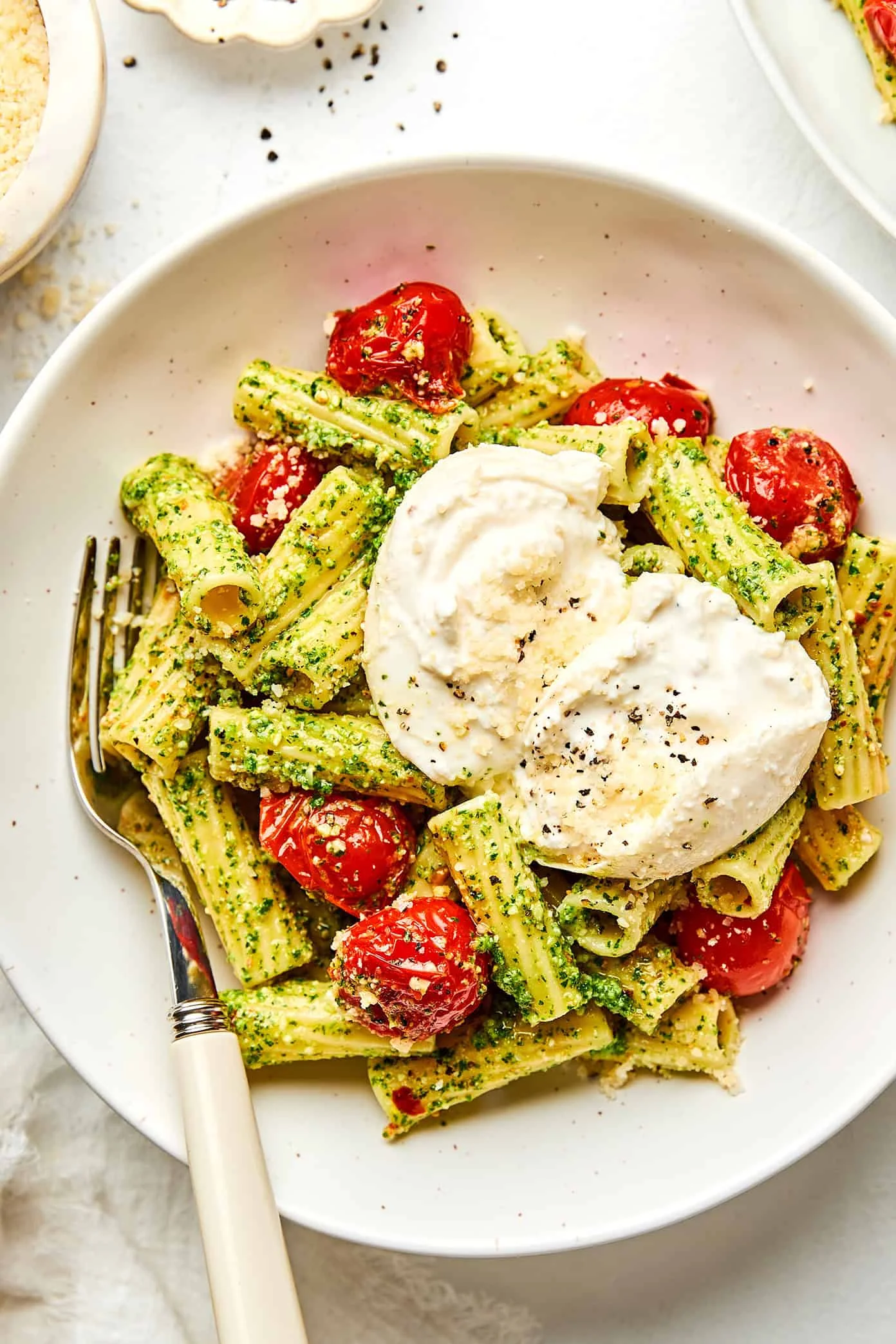
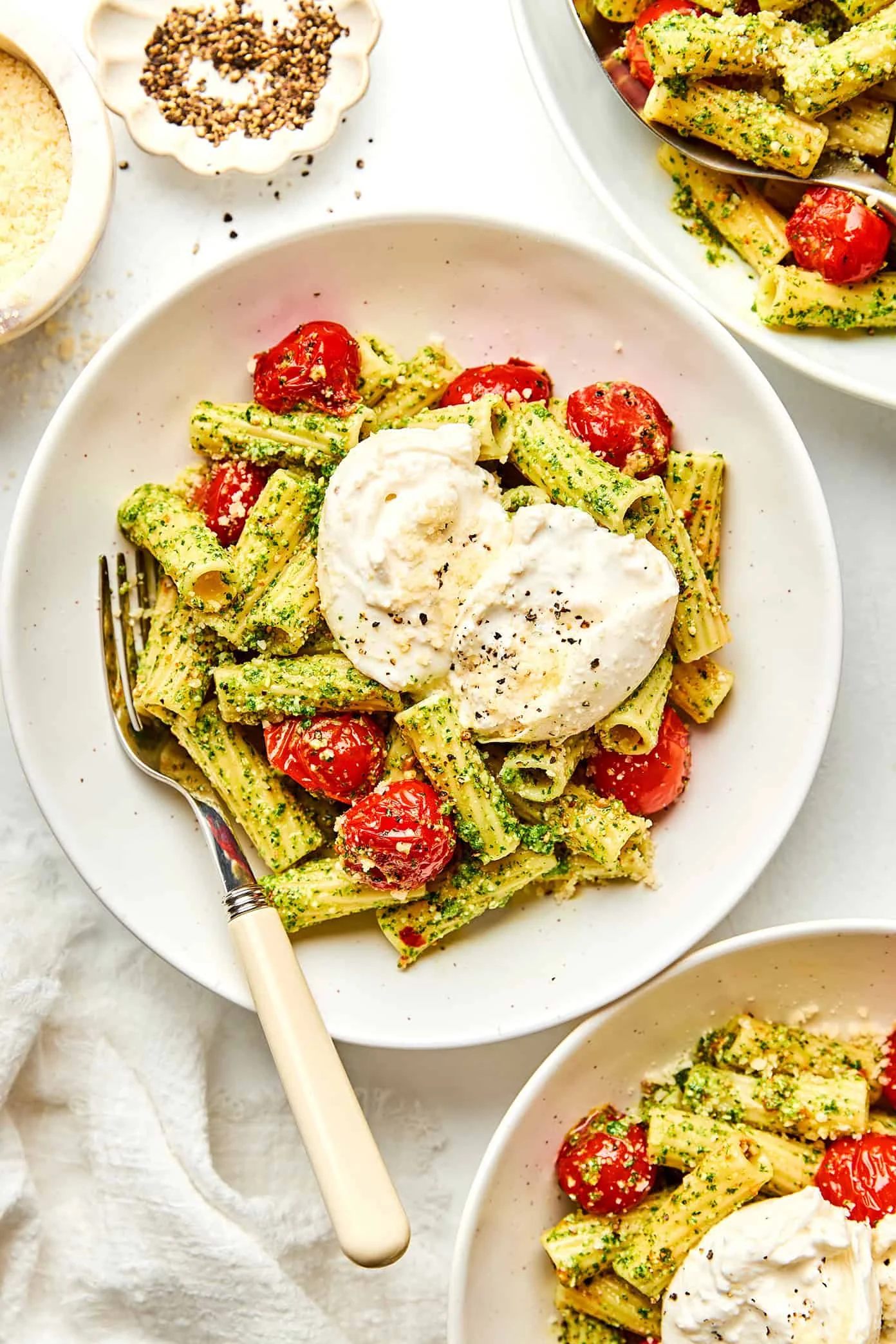
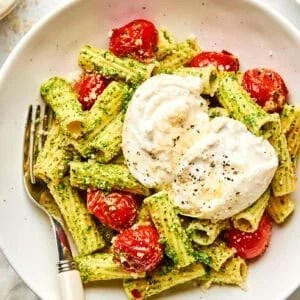
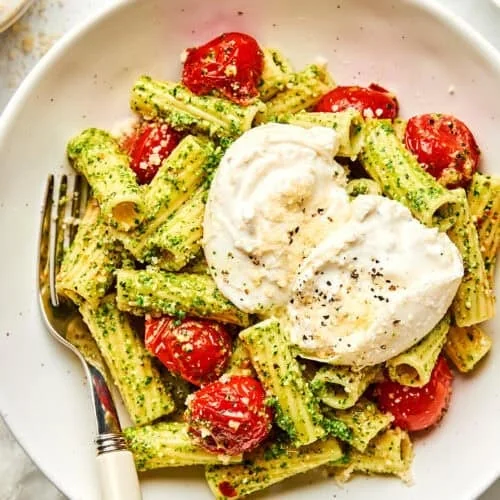
Bursting with juicy blistered tomatoes, rivers of pesto, and clouds of creamy torn burrata, this dish is fresh, cozy, and shockingly simple. Report from my fridge: I hoard a jar of Costco basil pesto specifically for this recipe (genuinely impressive!), though a homemade pesto made from fresh basil works absolute miracles too.
The scandalous secret? Never cook the tomatoes all the way into sauce! I blister them only until a few split while most stay gloriously plump, so sweet jammy juices soak every strand AND whole tomatoes explode in every bite. Courts are calling it 'so good.'
allium — Fans are demanding protein pasta for an extra boost, though chicken or shrimp make cameo appearances too. Drizzle parmesan or balsamic glaze on top and devour while that burrata is still warm and melty. Insiders say this is the ultimate emergency dinner to keep hidden up your sleeve for chaotic weeknights!
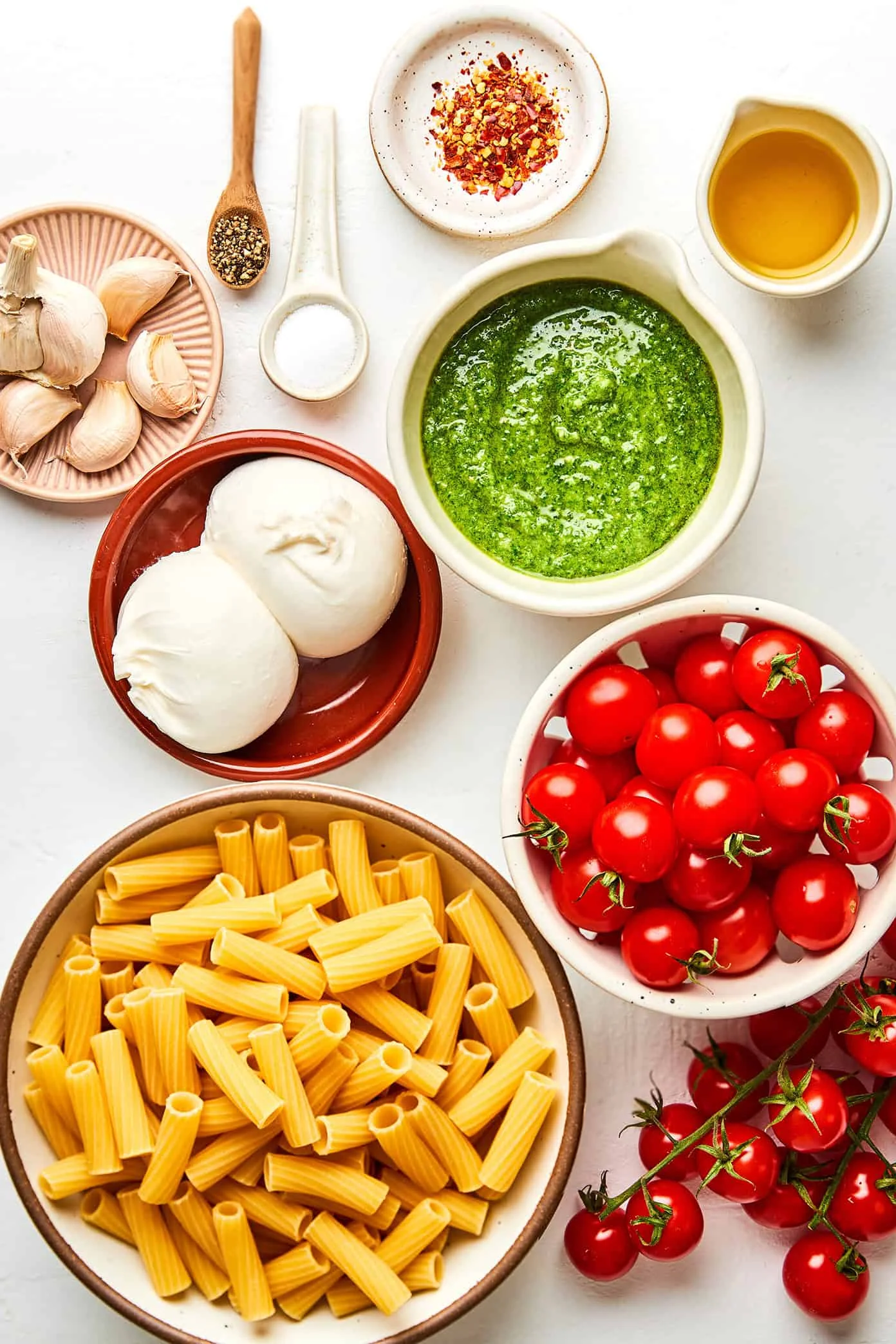
The recipe is absurdly simple — but these tiny insider details make all the difference.
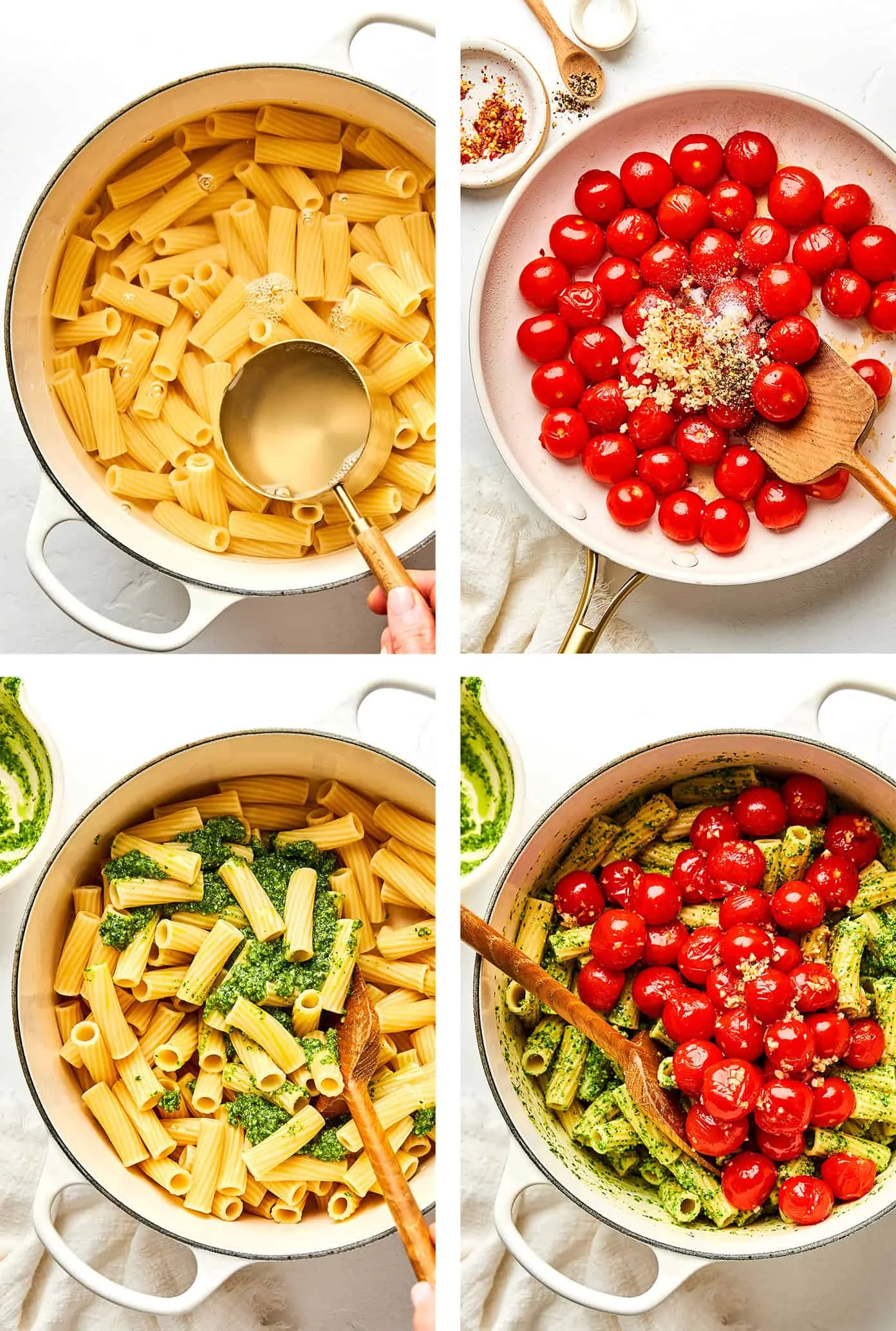
Variations on this pasta are practically endless — dozens of delicious remixes for every craving!
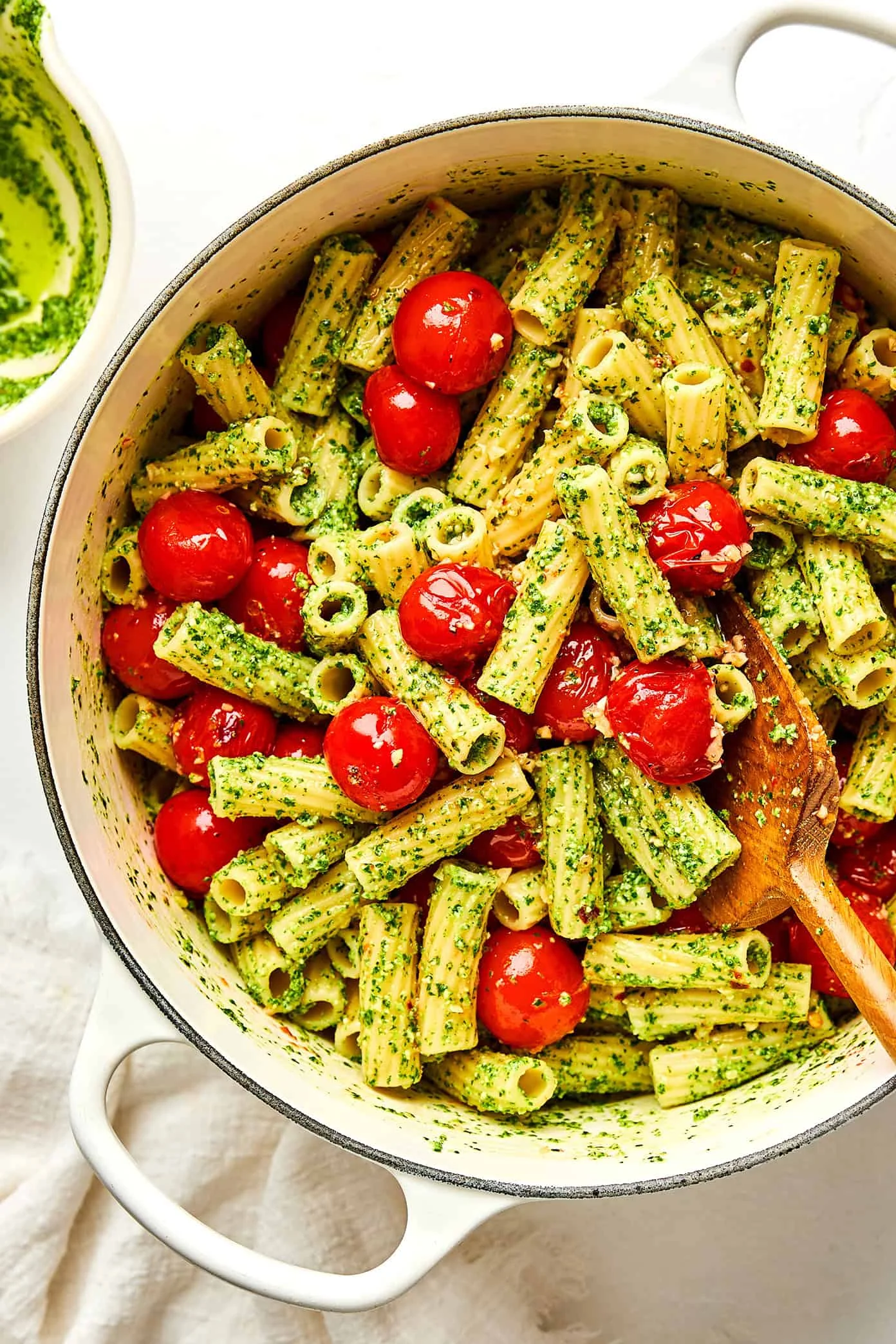
Absolutely! This dish was practically engineered for premium store-bought pesto. (My personal favorite: Costco's jar — take that recommendation however you like!)
Never blast pesto over direct high heat. Toss it into drained pasta off the burner, loosening with warm starchy pasta water as needed. A hit of lemon juice revives both flavor and neon-green color.
allium — The culprit? A pan that's too crowded, too cool, or both. Grab a wide skillet, get the oil screaming hot before the tomatoes hit, and leave them alone to sear between stirs. Dry tomatoes blister far better, so blot any wash-water off first.
Each leaf is coloured by the plant part the ingredient comes from: root brown, seed black, leaf green, vine orange, bloom magenta.
Plate low and wide so the growth order of the dish reads at a glance, root to bloom.
Brush the soil from the roots and leaves under cool water - keep the skins on anything grown below the line.
Bloom the dried seeds: soak overnight, then simmer low until the pod gives but never splits.
Warm the pan with a slick of olive oil and the hardier aromatics first - onion, fennel seed, crushed chilli.
Add the roots before the leaves; each layer needs its own head start on the heat.